Archive
-
Doing is Believing
Comments Off on Doing is BelievingOne school board is giving students a hands-on taste of trades as early as Grade 7, in the belief that early awareness of the value of the trades will help them make more informed career choices when they graduate.
Six Grade 7 students cluster around the car as the Auto Mechanics instructor explains and traces the flow of electricity from the power supply in the vehicle. Next they will complete a hands-on activity where they build their own circuits on two separate lighting boards. Meanwhile, the students visiting the Vocational Health program are taking part in a state-of-the-art simulated medical intervention – one that they might experience as professionals in a hospital.
“Lester’s shaking! I think he’s having a seizure!”
“Justin! Call for help! Put the bed down!”
In the Electro-technology department, students have the opportunity to test circuits, and Electricity teachers provide a visual interactive display using a Google app voice activation to control lights.
The students are naturally curious and these hands-on introductions to various skilled trades, experienced as part of the Lester B. Pearson School Board’s inaugural “Doing is Believing” tour, fascinated them. They walked away from the experience realizing that vocational careers are combining the use of the highest technology and equipment with a hands-on approach. “Super cool” and “I love this” are expressions we heard often from students during the tour.
Why introduce trades?
Introducing and exposing all students to the many skilled trade options as early as Grade 7 is embedded in the culture of the Lester B. Pearson School Board in Dorval, Quebec. It is a core belief that every student should understand the value of the trades and what programs are offered to ensure our students will be highly skilled and ready for the many challenges in their future careers.
For many years there has been a stigma that went along with the trades that only the “non-academic” or those that did not have the grades to enter university would consider the trades. In fact, there is a true shift occurring in the thinking about vocational programs; students in our schools who are the highest academic achievers are realizing the trades can offer “skills for life” and steady, well compensated, technical, creative and intellectually challenging and satisfying careers.
Partnering youth and vocational sectors
What better way to build curiosity and esteem for the trades than through action? The LBPSB Continuing Education department (Vocational Education) in partnership with the LBPSB Youth Sector, hosted its second annual Doing is Believing vocational centre tour in March 2020. The program offers every Grade 7 student in our school board (1,700 total) an opportunity to experience an insight into a variety of skilled trades in the following sectors: Beauty, Food Services, Health, Administration, Commerce and Computer Technology, Building and Public Works, Electro technology, Motorized Equipment Maintenance, and Arts. A unique aspect of the tour is that the Grade 7 teachers and administrators, many of whom have never visited a vocational centre, accompany the students. Pedagogical consultants and guidance counselors from the Youth Sector also lend a hand at the event and have their own opportunity to learn even more about the skilled trades offered.
It’s an important shift in post-secondary education planning for students, and very often parents. There can be a resistance or skepticism from parents about their children pursuing a vocational career instead of what they feel is a more valuable university education. We are working to inform parents and all stakeholders of the value of these valuable vocational careers through programs such as our Doing is Believing tour.
The Doing is Believing tour came about through partnerships built among trade schools, school boards, guidance counselors, teachers, administrators, and parents. It requires a huge commitment and planning on the part of our vocational centres to gear the program to a Grade 7 audience. All centres create a fun-filled hands-on learning experience for the younger students. The goal is that these students have a unique opportunity to experience a day in the life of a vocational centre. It is all about encouraging students to find their passion, work hard in school, and recognize the many educational choices they will have for careers in their future, whether that be skilled trades training, a technical program or university (see sidebar, “Quebec’s post-secondary system”). How can a student know what they want to be if they are not shown what they can be? One student, after visiting a mechanic on his tour, asked, “Why is a mechanic not a doctor? They have to fix a car or airplane to make it safe for passengers… and that’s a big responsibility.”
Maggie Soldano, Director of Continuing Education at LBPSB, and her team were very pleased with the success of the first annual Doing is Believing tour. “When I saw the faces of the Grade 7 students light up during the tours, I knew our goal was achieved. Not only did students take pictures to later share with their families, they also left the tour with knowledge of the many career opportunities offered through vocational education,” said Soldano.
Start small; keep growing
The Doing is Believing tour is a large event; however, the key is to start small. Building partnerships between early high school and nearby vocational trade schools is the way to start. Schools can begin by inviting teachers and students from the trade schools to speak in their schools and to begin building those relationships. If there are several high schools in proximity to a trade school, perhaps a career fair can be planned where trade schools can showcase their programs. Students registered in trade schools can have a very powerful message to younger students about the value of a career in a skilled trade. In fact, many students currently in trade schools have already gained a university degree but have returned to further their skills by enrolling in a trade. Spending the time to cement these partnerships will help to ensure buy-in and success for future more complex initiatives.
Quebec’s post-secondary system
Vocational education (skilled trades) are an integral part of education in Quebec. Many of the programs are a part of our public school system, with a DVS (Diploma of Vocational Studies) being attained in 6 to 18 months, depending on the program. Students may also pursue a technical three-year program in the Quebec Cégep system for programs such as Graphic Design, Medical Laboratory Technology, Police Technology, Business Administration, Youth and Adult Correction programs, and more. Alternatively, they may enter a two-year Cégep pre-university program leading on to a university degree.
Photo: Joan Zachariou, LBPSB
-
Supporting Innovation Across the System
Comments Off on Supporting Innovation Across the SystemWhat can we learn from British Columbia’s system-wide educational transformation efforts to shift from a centralized standards-based curriculum toward flexible learning paths? Leyton Schnellert identifies the factors that have supported success.
British Columbia is undergoing large-scale change within its K-12 education system, with a commitment to transform education to better meet the needs of all learners. To be successful within and contribute to an evolving global context, B.C. is currently implementing a new curriculum designed for 21st century learners. Twenty-first century learners need to be flexible, creative and able to learn from and within a variety of real and virtual environments.1 B.C.’s new curriculum offers an opportunity for innovation and significant shifts in teaching practice.
The case of British Columbia
B.C.’s current system-wide educational transformation efforts position the province as a global pioneer in the shift from a centralized standards-based curriculum toward flexible learning paths. Worldwide, the real challenge in education is not to reform systems but to transform them; not to fix them through a collection of disjointed efforts but to change systems through collaborative partnerships among the public, educational professionals, and governments. B.C.’s efforts aim to evolve an already successful educational system into one that takes into account current research on teaching and learning to prepare learners to succeed and lead in a changing world. In particular, the aim is for learners to develop the skills of “creative thinking, problem solving, initiative, curiosity, and the ability to lead and work well in groups.”2 To achieve this goal, notions of what needs to be learned, how, and where have changed significantly; these transformational changes require all stakeholders to take risks, develop innovative practices, and work together.
Fortunately, in B.C. there currently exist a number of promising professional development practices that support the above transformation. These include inquiry-based approaches which have been found to impact not only teachers’ learning, but also their practice in classrooms. When engaged in cycles of inquiry, teachers identify challenges and opportunities in relation to student learning, pose questions, develop criteria for monitoring success, draw on resources to enhance their own learning, and then embed new ideas in practice.3 In contrast to short-term, more fragmented professional development approaches such as one-shot workshops, inquiry-based professional development assists teachers to sustain attention to goals over time and to integrate new ideas into practice. Particularly impactful inquiry-based professional development approaches are collaborative in nature, and either develop or are based in collaborative networks of professionals that are generative and enduring over time.
In this article I outline some of the key scaffolds and lessons learned over the past seven years as B.C. shifted from piloting our K-9 renewed curriculum to full K-12 implementation. It is important to note that B.C.’s renewed curriculum significantly decreases content outcome requirements and instead emphasizes big ideas (concept-based learning), disciplinary competencies, and cross-curricular core competencies (critical, creative and reflective thinking; communication; collaboration; personal and social awareness and responsibility). This shift has required teachers to rethink what they teach and opened the door to thinking about how they teach.
Two key scaffolds
A culture of teacher inquiry
In preparation for the Learning Forward Conference held in Vancouver in December 2016, I interviewed educational leaders, teachers, and government representatives about the key scaffolds that were already in place prior to our current education transformation agenda, and how these had helped us to embrace the renewed curriculum.
The most common response had to do with our province’s long-standing action research culture. A second key theme highlighted multi-partner initiatives that brought together the Ministry of Education, B.C. Teachers’ Federation, and university researchers. When these two factors combined, significant and sustained education change across rural and urban school districts occurred. (By contrast, some past change initiatives failed to build inquiry-oriented learning partnerships and were stymied.) A number of previous initiatives4 all contributed to B.C.’s collaborative inquiry culture through cross-institutional partnerships. Of note, in each of these initiatives, there was a critical thinking focus, voluntary professional development that brought educators together from across schools and school districts, and resources offered as fuel for inquiry and exploration. Teachers were situated as action researchers engaging in classroom investigations, bringing samples of student work to networking sessions and contributing to the development of shared provincial criteria using exemplars from their classrooms. The sense of agency and ownership that participating educators felt resulted in grassroots change. Countering top-down notions of implementation, educators were recognized as curriculum and pedagogy creators. This benefitted B.C. greatly as teachers, schools, and school districts used these criteria to pilot research-based approaches that made space for student voice, focused on critical thinking, and required responsive teaching.
As we began the 2010s, and draft revised curricula became available, various groups in B.C. built on the processes (action research/inquiry teams) and focuses (critical thinking, open-ended pedagogies, formative assessment) of these previous initiatives. Educators were invited to try out draft competency-based curriculum in their classrooms and offer feedback. Many school districts around the province created professional learning series where teams of teachers co-planned units of study that were competency-based and, in particular, aligned formative and summative assessment. Many educators embraced inquiry teaching and learning within these explorations, in part because with decreased content demands, they had time to explore big ideas and concepts over longer periods of time. Different conceptions of and approaches to inquiry (e.g. open inquiry, guided inquiry, project-based learning) were debated and explored. For example, I had the opportunity to work with a learning team in School District No. 43 (Coquitlam). Two teachers from each school in this large suburban district attended as inquiry partners. In each of our five sessions, I highlighted some aspects of the renewed curriculum:
- Session 1 – shift from content to concepts and competencies
- Session 2 – working with the core competencies as opportunities to develop social emotional learning, self-regulated learning, and critical and creative thinking
- Session 3 – pedagogical approaches that align well with competency-based curriculum, such as inquiry-based teaching, open-ended strategies, circle pedagogies, place-consciousness, cooperative learning, etc.
- Session 4 – using the draft curriculum with Backward Design and Universal Design for Learning planning frameworks
- Session 5 – teacher teams shared learning sequences they had developed and offered feedback to refine a district-wide planning tool they helped to co-create in session 4.
While I introduced theoretical perspectives and research as part of these sessions, teacher researchers decided what fit for them in their classrooms and infused these ideas into their planning and teaching. The work was not without tensions, such as concerns expressed about a lack of pre-existing and/or grade-specific teaching and learning resources that aligned with the new curriculum. However, participants engaged in transformational work in their classrooms, designing classroom experiences and units that took into account the strengths, stretches, and interests of their students and opportunities for learning in their contexts.
A focus on inclusion, equity, and diversity
Another key scaffold in our change efforts has been B.C.’s decades-long commitment to and extensive work in inclusive education, equity, and social justice. In the 1980s, B.C. embraced calls for inclusive education, dismantling segregated programs and classrooms and striving to develop classroom communities that welcome and celebrate diverse learners. Most recently, there has been important and significant attention regarding equity and access to learning for our Indigenous learners. For example, Laura Tait’s work in SD68 (Nanaimo-Ladysmith) focuses on collective ownership regarding Indigenous learners. Defining collective ownership as every person in the system embracing and taking responsibility for the success of our Indigenous students, she calls for us to shift our thinking away from “Indigenous education for Indigenous students” to “what’s good for Indigenous students is good for all students.”
B.C.’s renewed curriculum asks educators to teach “how Aboriginal perspectives and understandings help us learn about the world.” Due to this change, B.C. educators have been seeking ways to incorporate Indigenous voices and perspectives into curriculum, ensuring that Indigenous content is a part of the learning journey for all students and that the best information guides the work. This opportunity – and tension – has led to rich professional inquiry and learning.
Just previous to the development of B.C.’s renewed curriculum, the First Peoples Principles of Learning, a set of nine principles, were developed by the First Nations Education Steering Committee and the Ministry of Education to reflect some of the common Indigenous perspectives and understandings in B.C. However, it is important to note that these principles do not reflect the beliefs of any individual Nation. Teacher inquiry teams across the province have been exploring synergies between the renewed curriculum and Indigenous learning principles5, such as:
- Learning is holistic, reflexive, reflective, experiential, and relational (focused on connectedness, on reciprocal relationships, and a sense of place)
- Learning involves patience and time
- Learning requires exploration of one’s identity.
One example of equity-oriented collaborative inquiry is School District No. 67’s Through a Different Lens (TADL) initiative. SD67 had consistently achieved an 80-85 percent six-year school completion rate at the outset of the TADL initiative. But their two most at-risk populations, students of Indigenous ancestry and students with behavioural challenges, had, respectively, just 50 percent and 40 percent respective completion rates. Wanting to make a difference for students who were at risk of not completing school, a small inquiry group of interested middle and secondary teachers formed. They were committed to teaching and assessing in more innovative ways and tracking the results of these shifts in their practice. TADL grew to include 75 educators who meet in collaborative inquiry groups of 10-15 teachers six times throughout the year. Teachers identify a student who is at risk of not completing school, and learn from this student as an expert (curriculum informant) throughout their inquiry. Following Universal Design for Learning principles, TADL teachers interview and observe their expert students and develop and offer pathways for learning based on this student’s strengths, interests, and passions. They then offer these pathways to all students in the class. In their inquiry team meetings, the educators use a common “four-square” graphic organizer where they reflect on their actions and successes. Finally, group members brainstorm next steps to learn from and with their students, and adjust their teaching accordingly.
Lessons learned
B.C.’s curriculum renewal has offered a catalyst for change across B.C. I close with a few lessons we’ve learned about supporting innovation as educators respond to and implement curriculum change.
Educator and student voice in change-making
Educators’ role as inquirers, action researchers, and change-makers has been central. Other jurisdictions in Canada have introduced new 21st century learning-oriented curriculum. What makes B.C. unique is that it has made space for grassroots exploration, feedback, and ongoing interpretation of its concept- and competency-based curriculum. Previous initiatives in B.C. have faltered when educators were directed to implement approaches without opportunities for action research within the development process. Another tension that has repeatedly surfaced over the past 40 years is government and school district approaches to “accountability.” Instead of uniform evaluation of curriculum implementation based on notions of fidelity and reliability, our enduring approach has been one of contextualization and creative exploration. This culture has lived through many changes of government.
Creating inquiry spaces for “outliers” as positive disruptors and collaborators
Studying one cross-province inquiry network that explored the implementation of the draft curriculum6, Paige Fisher, Kathy Sanford and I found that inquiry spaces that welcomed diverse educational perspectives and approaches were crucial in disrupting teachers’ pre-conceptions of education and allowed them to see new possibilities. Teachers whose practice embraced outside-of-the norm approaches (e.g. project-based learning, interdisciplinary teaching in secondary schools, etc.) were important catalysts in the professional learning network.
Shared responsibility for and ownership of education change efforts
Despite a change in government during the implementation of B.C.’s new curriculum, progress was safeguarded through ongoing collaborative efforts. Key partners in B.C. have been the Ministry of Education, the B.C. Teachers’ Federation, Faculties of Education, and school districts. When these groups have been engaged as learning partners with shared and reciprocal goals, change efforts have not only been sustained, but evolved. Past and current efforts are vulnerable when we do not take the time to revisit shared goals and the processes and activities that define and operationalize our collaborations. Earlier I mentioned a more relational and contextual approach to accountability. When partners identify indicators to assess how their initiatives are making a difference, they need to consider that innovation benefits from creativity, adaptability, and a sense of agency from those closest to the learning and practice. When we seek the voices of students and educators as key informants and co-creators of change, it distributes ownership and recognizes that teaching, learning, and education are emergent, contextualized, and relational.
Documenting and sharing innovation
Finally, studies during this time of curriculum change in B.C. have highlighted how beneficial documenting and sharing innovations from different parts of the province have been. The Growing Innovation in Rural Sites of Learning study has surfaced visible and tangible examples of innovative practices derived in rural communities in response to a local need, but shared with other rural teams across the province. Time and again, the situated innovations shared by those who generated them with students, colleagues, and community partners have been referenced as key to inspiring divergent thinking, risk taking, and educator renewal.
INNOVATION and curriculum transformation are dependent on the knowledge and expertise of educators. When educators have opportunities to collaboratively inquire into innovative pedagogies and new curriculum and create and adapt practices to meet local needs, meaningful and sustainable change is possible. Fostering teachers’ creativity and recognizing them as knowledge creators nurtures morale, collective ownership, and investment in innovation.
NOTES
1. OECD, Schooling Redesigned: Towards innovative learning systems (Paris: OECD Publishing, 2015).
2. British Columbia Ministry of Education, BC’s Education Plan (2015). www.bcedplan.ca/theplan.php
3. Schnellert, and D. L. Butler, “Collaborative Inquiry: Empowering teachers in their professional development,” Education Canada 54, No. 3, (2014): 18-22.
4. Specifically the Young Writers Project in the 1980s, the Reading/Writing/Thinking References Sets created in the 1990s, the Performance Standards for reading, writing, numeracy, and social responsibility developed in the 2000s, and Changing Results for Young Readers in the 2010s.
5. First Nations Education Steering Committee, First Peoples Principles of Learning (2015). http://www.fnesc.ca/learningfirstpeoples
6. L. Schnellert, P. Fisher, and K. Sanford. (2018). “Developing Communities of Pedagogical Inquiry in British Columbia,” in Networks for Learning: Effective collaboration for teacher, school and system improvement, C. Brown and C. Poortman (Eds.) (Routledge Taylor & Francis Group, 2018), 56-74.
Photo: iStock
-
Skilled Trades in the Digital Age
Comments Off on Skilled Trades in the Digital AgeThe digitization of trades demands new skill sets, makes some trades more appealing to a wider range of apprentices and is creating new career and training pathways. For educators, this will require a better understanding of the overlap and differences between trades and information/communications technology and the new opportunities they present to students willing to consider less traditional careers.
The so-called Fourth Industrial Revolution is underway, as a combination of digital technologies permeate every sector of the economy and most every occupation – including those in the skilled trades. The digitization of trades demands new skill sets, makes some trades more appealing to a wider range of apprentices, and is creating new career and training pathways.
At the same time, the blurring of lines between information and communications technology (ICT) and skilled trades has created a confusing occupational grey area. The two sectors notably share one feature: both ICT and trades need more workers.
For educators, this evolution in the workplace will require a better understanding of the overlap between trades and digital tech, its extent and limitations, and the new opportunities it presents to students willing to consider less traditional careers.
Size of the prize
The digital economy has been growing at roughly double the pace of the wider economy for more than a decade now. According to the most recent labour forecast by the Information and Communication Technology Council (ICTC), by 2023, the demand for digitally skilled talent in Canada is expected to exceed 305,000. If filled, ICTC expects total employment in the Canadian digital economy to reach more than 2.1 million tech jobs.1
Interestingly, more than half of the current tech work is outside of the ICT sector per se. That means most tech jobs are now in sectors such as banking, insurance, and oil and gas, and in organizations across the entire economy looking to digital technology for better operational, safety and environmental performance.
The rapid growth of the digital economy has outstripped available ICT talent. In Canada’s major tech hubs – Vancouver, Calgary, Toronto, Ottawa, Montreal – the shortfall in senior-level tech workers has even prompted international hiring symposiums such as the one last year in Calgary, hosted by Calgary Economic Development and international ICT recruitment firm VanHack. In October, VanHack vetted 36 intermediate and senior tech job seekers from five continents to help local Calgary companies hire the talent they desperately need to grow. The skilled trades tell a similar story. Fewer youth are learning the skills needed to replace an aging generation of soon-to-retire tradespeople. Critical shortages in skilled workers are on the horizon.2 In Alberta, during the economic downturn, trades groups reported continued healthy demand for skilled workers, but during the province’s oil and gas boom years, worker shortages were so acute that projects also imported tradespeople from abroad. This practice is expensive and risky, and almost always “the option of last resort,” whether in trades or tech.
Messaging
By now, educators have surely heard a well-honed message from Canada’s trades groups. “If we want to have a well-functioning society, we need people with diverse interests and diverse skills,” says Shaun Thorson, Chief Executive Officer of Skills/Compétences Canada. Students should be led to consider all occupations and not just those that shepherd them through a university education, he says.
This message, however, doesn’t seem to be translating into more tradespeople. Despite steady, well-compensated work in trades, there remains a deeply entrenched perception that trades are a lesser career path to one that requires a university education – even as increasing numbers of university graduates struggle to find employment.
“It’s worth repeating that not everyone wants an office job in front of a computer,” Thorson says. “And not everyone wants to be out on a worksite, working with tools and materials. The main thing is to tell students to do their research and not get trapped in the six to ten occupations that you mostly hear about.”
Digitization of trades
Some of the obvious examples of digitized trades are the diagnostic tools that automotive and heavy-equipment technicians use today. GPS-guided excavation is now run-of-the-mill technology in road construction and natural resource extraction projects. Schematic drawings are now mostly read on tablets rather than from rolls of paper blueprints.
Pretty much all trades contractors rely on scheduling, invoicing and other software programs to expedite their paperwork. The ubiquitous smartphone and the many communication platforms such as Teams and other video/chat/file-sharing apps allow for greater collaboration and problem solving among tradespeople, designers and engineers. And new digital applications are being introduced each year.
Janis Lawrence-Harper, director of research and development with Careers: The Next Generation, an Alberta trade group launched in 1997 to support the growth of the oilsands industry by promoting skilled trades, adds some of the latest developments along this digital journey. “In the oilsands, the heavy haulers have a tremendous number of sensors that collect data about everything from how hard the equipment is hitting bumps, to how inflated the tires are and where the bumps are located so the road can actually be fixed,” she says. That data is tracked and processed by the mechanic, whose job it is to optimize the efficient running of these machines. (What Lawrence-Harper doesn’t mention is that autonomous vehicles are also becoming the norm in some mining operations in Alberta and around the world.)
Agricultural equipment technicians also rely on data to do their job. Advanced agricultural equipment today can seed a field within an inch of the previous year’s seeding plan. To maximize crop growth, drones help run and monitor fertilization programs.
“As technology continues to play a bigger role in many skilled trades, we are going to see changes in the required skillsets,” says Lawrence-Harper. “That might mean those occupations change, or in some cases, it might create new specialized positions that could fall into the categories of skilled trades and ICT. It will be up to the Alberta government to decide where those occupations belong.”.
ICT as a trade
The Working Centre, an Ontario group established in 1982 as a response to unemployment and poverty in downtown Kitchener, now lists several ICT roles as skilled trades under the “Services” banner. These occupations include Contact Centre Customer Service Agent, Technical Support Agent, Hardware Technician, and Network Technician.
The grey area between tech and trades has prompted Careers: The Next Generation to launch an Information and Communication Technology Internship Program to help meet the growing demand for tech workers in the next decade. The program offers six-week hands-on-learning internships to high school students interested in expanding their understanding of ICT opportunities in the workplace and to help define their potential career paths.
“We’re piloting it this year – though it’s a bit of a stretch right now with the COVID 19 pandemic,” Lawrence-Harper says. “We see a huge synergy between skilled trades and ICT. These two directions build on each other and this program bridges that gap between tech and trades.”
Careers: The Next Generation works with companies and organizations whose primary role isn’t ICT, but which have an ICT dimension. These have been in transportation, construction, marketing, the not-for-profit sector or others. At the other end, Careers works with high school staff to match Grade 11 and 12 students who have specific ICT skills and interests with target company needs. “Pacific Western, for example, has a lot of heavy-equipment technicians, so we talk to them about what role ICT plays in their company, what the crossover is in their heavy-equipment garage and how they could benefit from hiring a student intern,” Lawrence-Harper says. The company or organization foots the bill for the six-week internship, and benefits from the placement to the extent of the type and scope of work identified for the intern. Part of this value proposition is a line of sight to future ICT hiring, development of mentoring capabilities, strengthening of its ICT focus and connection to community.
To date, about 30 students have taken part in this internship, but the program is expected to expand into something bigger. Lawrence-Harper says that the skilled trades’ training model, which combines on-the-job mentoring and post-secondary education, could apply to learning certain ICT roles.
The blurring of lines between information and communications technology (ICT) and skilled trades has created a confusing occupational grey area.
Limitations and pathways
Despite the overlap of skilled trades and tech, Skills Canada’s Thorson is careful not to oversell the razzle and dazzle of tech to prospective apprentices. “The digitization of trades is exciting and interesting and may initially attract more students to learn about what’s involved in these occupations, but I don’t think digital tech will necessarily keep them in a skilled trade occupation [if they don’t enjoy the trade itself],” he says.
ICTC’s manager of data analysis and research, Rob Davidson, puts a finer point on this. “Trades are typically tactile occupations. So they are almost the opposite of digital jobs, which are mostly abstract,” he says. Many tech roles, in fact, involve high levels of abstract thinking and knowledge of programming languages. This is true of the top five in-demand digital occupations identified by ICTC’s Canada’s Growth Currency: Digital Talent Outlook 2023 (software developer, data scientist, data analyst, UX/UI designer, and full stack developer).
Thorson, however, urges people to move beyond the idea that students are either abstract learners or experiential learners. Students fall somewhere along a continuum between these poles. This perspective opens the door to “helping students find the right comfort level with abstract concepts that are married to tactile occupations that manipulate objects.”
Moreover, Davidson notes that the growing importance of digital technology challenges other sterotypes. The image of the socially inept techie in a dim backroom full of computer screens is giving way to tech workers who can fluently explain digital functionalities and present the business case for a new technology platform to C-suite executives.
A parallel trend in the skilled trades is driven by the collaborative nature of digital technology, which is allowing tradespeople to share their expertise. Construction outcomes, for example, can be improved when trades collaboration is sought earlier in the planning and design process rather than later in the execution stage, as has traditionally been the case. Shared digital platforms are facilitating this type of stakeholder consultation.
Exposing students to these tech and occupational trends is key. Educators can play an important role in helping students find meaningful careers by sharing their understanding of digital technology developments and their impacts on in-demand occupations. This awareness could extend to keeping abreast of new tech curricula developments in Canada’s post-secondary institutions, and various initiatives such as the Careers ICT pilot, or ICTC’s nationwide CyberTitan program, which provides middle and secondary school students with a foundation in digital skills by participating in a competition to fend off simulated cyber attacks. Career options have never been as diverse as they are today.
Photo: iStock
First published in Education Canada, June 2020
Notes
- ICTC is in the process of revising this pre-COVID-19 forecast. Moreover, ICTC’s previous forecast to 2021 projected a significantly lower demand of 216,000 tech jobs, which was largely due to a change in methodology; more ICT-related National Occupational Classification codes were included in the 2023 forecast.
- Again, how this will be affected by the Covid-19 pandemic was unknown at the time of writing.
-
WEBINAR PANEL DISCUSSION: June 11, 2020
Comments Off on WEBINAR PANEL DISCUSSION: June 11, 2020WHEN: Thursday, June 11 at 1:00-2:00 pm (EST)

This webinar is primarily for governments, education professional organizations, school and school district leaders, teachers and education support workers, and anyone interested in understanding current issues for changes to K-12 schooling for the education sector across Canada in the COVID-19 era.
In March of 2020, Canadian education systems first began to close schools in response to the COVID-19 pandemic. As well as the emergency response shift to remote learning from home, we must also begin to turn our attention to the inevitable task of planning for the future of schooling over the short and medium term. As school reopenings internationally are showing, this is not simply a return to schooling as normal. Moreover, since education in Canada is a provincial responsibility, responses to COVID-19 have been diverse and we would expect plans for the future to be appropriately varied. Fundamentally, what we will need to ask ourselves is: “What conditions need to be in place for students to learn and for teachers to teach, and how will leaders across the system adapt to support these conditions?”
This one-hour webinar panel discussion will explore how we will understand effective leadership across the education sector for the coming months and years by considering implications for governments, teacher organizations, and school leaders.
Register Here
IN THE MEANTIME, CHECK OUT THIS ARTICLE by DR. pamela OSMOND-JOHNSON, DR. carol CAMPBELL, AND DR. katina POLLOCK:
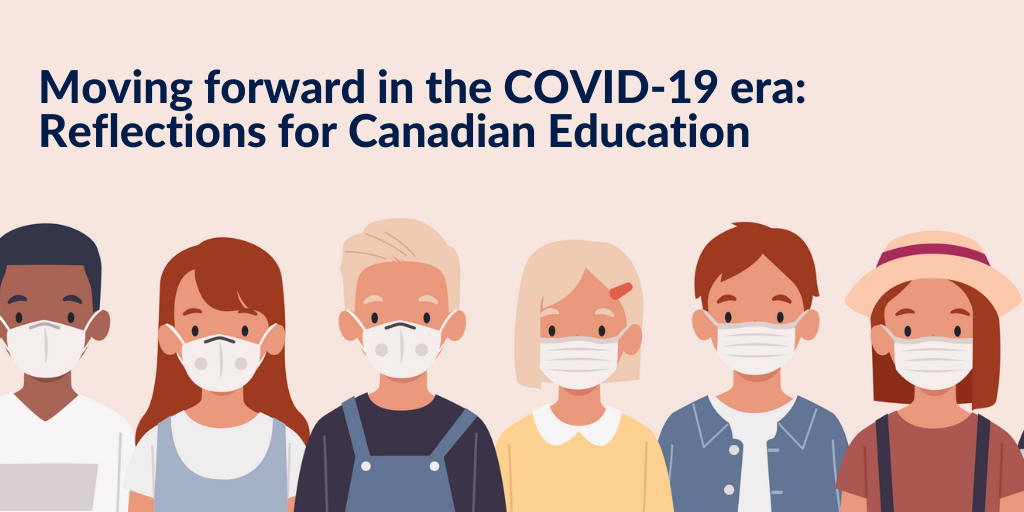
Read the full article
-
Global Recess Alliance Statement on Recess
Comments Off on Global Recess Alliance Statement on RecessThe Global Recess Alliance, a newly formed group of scholars, health professionals, and education leaders, argues that attention to recess during school reopening is essential. Recess is the only unstructured time in the school day that provides space for children’s physical, social and emotional development, which are essential for well-being and learning. When schools reopen, children will need space to heal from their collective trauma.
The Global Recess Alliance have combined their expertise to provide answers and concrete strategies for a recess that not only works under the current circumstances but paves the way for a fundamental shift in the ways schools approach recess.
Learn more here
-
WEBINAR: A Taste of SMART: An introduction to mindfulness, self-care, and resiliency for educators
Comments Off on WEBINAR: A Taste of SMART: An introduction to mindfulness, self-care, and resiliency for educatorsCofounded by Heidi Bornstein and Stephen Chadwick in 2009, Mindfulness everyday is a diverse team of experienced professionals dedicated to educator well-being. Mindfulness Everyday offers various mindfulness programs and practices for educators to provide them with the skills and coping strategies required to support their own mental and physical health.
This webinar first broadcasted on April 15th, provided an experiential introduction to mindfulness research and practices that benefit educators personally and professionally.
Watch the full webinar below:
About Mindfulness Everyday
At Mindfulness Everyday, we envision a society in which we relate to others, the environment, and ourselves with clarity and compassion. We promote mindfulness practices to enhance positive mental and physical health, compassionate action and resilience by providing stress reduction training and life skills for young people, educators, professional support staff and parents in the schools, and for organizations and members of the community.
-
How can parents contribute positively to their children’s career choices?
Comments Off on How can parents contribute positively to their children’s career choices?As their children’s first teachers, parents contribute to their academic and professional development. While parental engagement is crucial to children’s well-being and positive development, parents can also have a negative impact by failing to meet children’s fundamental psychological needs, which are essential to academic and professional success.
THE THREE FUNDAMENTAL PSYCHOLOGICAL NEEDS OF CHILDREN ARE:
- Autonomy: Feeling like they’re making their own choices (e.g. choosing high school and post-secondary classes that interest them).
- Competence: Understanding that their actions have consequences (e.g. feeling capable of passing a class in order to take a more advanced course or be admitted to post-secondary programs).
- Relatedness: Developing positive relationships with important people in their lives (e.g. getting along well with teachers or their parents).
TO MEET THESE NEEDS, HERE ARE SOME SUGGESTIONS FOR WHAT PARENTS SHOULD AND SHOULD NOT DO TO HELP THEIR CHILDREN CHOOSE A CAREER:
Things to Do
- Support your children’s sense of autonomy by acknowledging their opinions and feelings, trusting their judgement, showing empathy, explaining the reasons behind your expectations, and entrusting them with age-appropriate responsibilities (e.g. household chores).
- Get involved by showing your children that they are important: listen to them, show your affection, be available when they need you, and be receptive to their questions, interests, and the options they explore.
- Provide a structured, predictable environment by clearly communicating and explaining family rules, your expectations, and the consequences associated with respecting them. It’s important to be consistent when applying your rules and expectations, to maintain supervision, and give feedback, when needed.
Things to Avoid
- Controlling your child by imposing your own choices and opinions, telling them what to think or feel, neglecting to explain the reasons behind your expectations, or using punishments and rewards to control their behaviour or choices.
- Rejecting your child by withholding affection, acting indifferent, failing to participate in activities they’re involved in, or leaving them to their own devices with no guidance or support when they need it.
- Creating confusion by setting unclear expectations, constantly changing rules without clear communication, and failing to offer children an opportunity to meet your expectations.
Research demonstrates that children generally perceive their parents as being supportive of their psychological needs. It’s important for parents to recognize that they can have a significant impact – positive or negative – on their children’s development. Therefore, parents hoping to guide the positive development of their children are well advised to meet their fundamental psychological needs, thereby encouraging greater academic and professional success.
REFERENCES AND FURTHER READING
Guay, F., Ratelle, C.F., Larose, S., Vallerand, R.J., Vitaro, F. (2013). The number of autonomy-supportive relationships: Are more relationships better for motivation, perceived competence, and achievement? Contemporary Educational Psychology. 38, 375-382. doi:10.1016/j.cedpsych. 2013.07.005
Guay, F, Ratelle, C.F., Lessard, V., Dubois, P., & Duchesne, S. (2018). Mothers’ and fathers’ autonomy-supportive and controlling behaviors: An analysis of interparental contributions. Parenting: Science and Practice, 18, 45-65.
Duchesne, S., & Ratelle., C.F. (2010). Parental behaviors and adolescents’ achievement goals at the beginning of middle school: Emotional problems as potential mediators. Journal of Educational Psychology, 102, 497-507. doi:10.1037/a0019320
Duchesne, S. & Ratelle, C.F., Feng, B. (2017). Psychological need satisfaction and achievement goals: Exploring indirect effects of academic and social adaptation following the transition to secondary school. Journal of Early Adolescence. doi: 10.1177/0272431616659561
Maltais, C., Duchesne, S., Ratelle, C. F., & Feng, B. (2017). Learning climate, academic competence, and anxiety during the transition to middle school: Parental attachment as a protective factor. European Review of Applied Psychology, 67, 103-112.
Ratelle, C.F., Morin, A.J.S., Guay, F., & Duchesne, S. (2018). Sources of evaluation of parental behaviors as predictors of achievement outcomes. Motivation and Emotion,42, 513-526. doi: 10.1007/s11031-018-9692-4
WITH THE GENEROUS FINANCIAL SUPPORT OF:


-
Trauma and the Post-COVID Teacher
Comments Off on Trauma and the Post-COVID TeacherIt was on the third walk of the day, a couple weeks into our COVID isolation norms, that it hit me. My little girl, at the formative age of five, was living in a global pandemic. We were pointing out the teddy bears that neighbours placed in their windows for children to spot during the pandemic. It warmed my heart that so many of my community members, many without children, found old teddies and dolls to place on display to join in the bear campaign. A couple walking their dog approached from the opposite direction, and my daughter, who was walking ahead, without hesitation or reminder took her long six-foot arc around them as we passed. She turned and mouthed the word “virus” to us and carried on.
As we all attempt to restore normalcy in our lives and jobs (whatever our “normal” may be) in the aftermath of a global crisis, there is much to consider. For teachers, this is above and beyond the daily challenges we already face. For some students, COVID 19 may result in, or amplify preexisting, anxiety, depression or trauma. For others the transition back to school and routine will be seamless. Coronavirus will become a distant memory for them, and life will carry on as it did before. I think about my daughter and her support system and how she’s been so fortunate in her life. Others aren’t as lucky, before or after COVID 19.
Much is unknown about the circumstances in homes across this country during the pandemic. What happened in the months of isolation? We may never fully know. How did the long confinement affect homes where domestic violence, abuse or neglect was already present? Of course we know there were students and families who were struggling long before the global pandemic. Some children live within circumstances that are troubling and far beyond their control. Families living on the edge of poverty may have already been struggling with food and home insecurity, lack of childcare, stress over jobs, community violence and more. We know that along with increased risk factors from COVID 19, families have also been deprived of many of their normal coping measures. Spending time with friends and family, going to the mall, seeing a counselor or engaging in extra-curricular activities, among others, have been disrupted. And for many students, their place of refuge, connection or support, is school itself.
Trauma has and will continue to be a pervasive and challenging issue for teachers and students alike. This global crisis has placed a spotlight on various aspects of society, including its multi-faceted inequities – trauma included. It also has certainly served as a reminder that children in schools need more than just their educational outcomes, and that schools serve as more than just educational institutions.
Teaching students with trauma
Students who experience chronic trauma (persistent and ongoing, such as adverse living conditions or abuse) are at risk for developmental deficits, attachment disorders and difficulties with learning and behaviour.1 This causes problems for them in school as they attempt to navigate the social, academic and behavioural expectations for their chronological age, while potentially lacking skills in one or more of these areas. Teachers are faced with a multitude of challenges as they work to meet the needs of all their learners. It is challenging to give each child individual attention in addressing their needs while also managing the classroom and curriculum outcomes. This may result in compassion fatigue, feelings of being overwhelmed or exhausted, and a reduced ability to function as they normally would. Some identify compassion fatigue as the cost of caring.
So where do we go from here? What is the teacher’s role in supporting students impacted by trauma? Teachers are not therapists, psychologists, counselors or social workers. Many therapeutic interventions do exist, that support students in one-on-one or in small groups. These are often beneficial and necessary for some students. However, due to limited resources and access, not all students have the opportunity to engage in such programming. Additionally, as Perry2 and Bath3 have noted, research shows that the most healing for trauma-impacted children actually takes place in what some call the “other 23 hours” of the day. A supportive environment for children in all aspects of their day is essential. Equipping teachers with the understanding and strategies to provide this supportive environment can benefit both the students in need, and fortunately, also the teachers themselves.
Knowledge of trauma
Being trauma-informed requires educators to have a knowledge base about trauma itself. This does not require teachers to become experts in brain functioning or psychology, but rather a general understanding for the potential impact of chronic trauma for students they teach. This means understanding that trauma is a result of experiences that exceed an individual’s capacity to cope in healthy ways, and which render them unable to function normally. Chronic trauma may be a result of living in poverty, experiencing forms of abuse, experiencing racism, being witness to violence, experiencing significant loss, and more. While adversity is common (and often productive) throughout life, trauma results when our support systems and coping mechanisms for that adversity are not enough. Therefore, trauma is less about events themselves, but our responses to them.
When a child has experienced chronic trauma, the result may be delays in various aspects of their development. This may affect their social skills and ability to form relationships, their cognitive, physical and emotional development, their ability to regulate, learn and cope with daily demands. Trauma-impacted children walk through their world with a heightened sense of danger and can be triggered into a fear response for situations that are perceived as threatening. School is a place where students not only learn, but navigate various situations, relationships and challenges. Children who are trauma-impacted therefore often struggle in many aspects of school.
Relationships are key
Attachment is protective factor against trauma. Many children who experience chronic trauma, however, struggle with relationships and trust. They also may not have fully experienced secure and healthy relationships in their lives. Building positive relationships with students is therefore critical, for feelings of safety, acceptance and love. Giving unconditional positive regard and showing patience are ways to build this trust. This does not mean lifting boundaries and expectations. In fact, boundaries are more important than ever. Setting and sticking to limits is essential, but done with patience and compassion. Teachers have the opportunity to spend a considerable amount of time with their students throughout the school year. They can demonstrate and model positive and consistent relationships and establish new understandings of what a healthy relationship is. Child psychiatrist and trauma expert Bruce Perry talks about the power of small positive encounters and interactions for children throughout the day. “Therapeutic dosing”4 as he calls it, is a simple yet effective way for these new patterns to develop. He asserts that “just as traumatic experience can alter a life in an instant, so too can a therapeutic encounter.”5
Safety
Children impacted by trauma often are on high alert, ready to respond. Learning is virtually impossible for children who feel unsafe. Physical and emotional safety are essential in schools, as is the importance of felt safety. It is possible for trauma-impacted children to feel unsafe regardless of whether or not this is reality. Teachers are able to increase feelings of safety by creating consistent and predictable environments. This means creating a safe space where classroom community is a primary focus, and being cognizant of preparing children for transitions and change. Our responses and behaviours as teachers must also be consistent and predictable. We can recognize that some behaviours we are witness to, may be a response to feeling unsafe, versus a desire to misbehave. Behaviour is about communication. A meltdown or act of defiance, might be a fear response, or manifestations of a need. Maintaining a consistent and supportive role in responding to all behaviour with compassion and understanding, strengthens the teacher-student bond and establishes trust. We can be the calm they need, when they are not. Students will often mirror our reactions and behaviours. Keeping this thought in our minds can support us in our reactions and the way we assist students in regulating their emotions.
Teach to strengths and lacking skills
All children have strengths. Seeking them out and helping students to see them for themselves, as “inner-wealth,”6 is an important part of supporting growth and learning. As previously mentioned, students impacted by trauma may also have deficits in areas of development. Teachers can support all students by teaching to specific “lagging skills.”7 Lessons on social skills, problem solving, organization, self-regulation, friendship skills, mindfulness, conflict resolution and more, may be valuable in filling gaps in much-needed development. Social-emotional learning is a necessary component of trauma-informed classrooms. We can acknowledge and begin with student strengths that build confidence and engagement, and seek out the areas where more explicit teaching is needed.
Self-care and community support
An often-neglected focus for teachers, yet an essential component of trauma-informed practice, is self-care. As teachers, we simply cannot give what we don’t have. We must not only take care of ourselves through intentional self-care planning (exercise, leisure activities, support networks, eating well, etc.) but also be vigilant in noticing and identifying when we feel overwhelmed. There is vulnerability in reaching out to our colleagues and administrators when we require support, but it is a valuable step for our own wellness. As colleagues, we need to support one another and create a space where everyone feels empowered to reach out. This work is not easy and cannot be done in isolation.
Returning to work after months of remoteness may bring new feelings of anxiety and fear, or heightened preexisting mental health issues. Let us name it. We must be patient with ourselves and check on our colleagues. Let’s debrief our days and take a breath. We are not alone, and the load should not be solely ours to bear. Focusing on strong working relationships and a team approach will be crucial. As teachers, we need to open our classroom doors and support one another. The feeling of pressure on the shoulders of the classroom teachers alone, increases the risk of burnout and fatigue. “Our” students are also part of the whole school community and the community beyond the school. We benefit from creating partnerships outside of the school, building relationships with parents and community members and collectively wrapping our arms around our students and ourselves.
TEACHERS’ DAYs are often a whirlwind. Decision-making is happening constantly, and our attention is split in many different directions. Teachers don’t need more on their plates. We do, however, benefit from new knowledge for making teaching and learning more successful. Fortunately, trauma-informed strategies, such as those listed above, are good teaching practices for all students – and many are already happening all through Canadian schools. If we keep relationships at the centre and have more understanding for our students through a knowledge of the pervasive impact of chronic traumatic experiences, we will be making a difference. We will be contributing to the supportive environment that children require, to reach their full potential. With this understanding, teachers too, can feel the positive impact of a trauma-informed classroom and school. Caring doesn’t always have to come at significant cost, but instead, can provide meaningful and effective experiences that leave teachers feeling more empowered and connected.
As we transition into our post-COVID lives (whenever “post” will be), it is important to recognize how this virus may have impacted the lives of our students, and our own. We must also keep in mind that well before COVID 19, some of our students have struggled with trauma and adversity that will continue to impact their lives and learning. Our students who were accessing counseling or psychological services prior to school closures, and making gains, may experience setbacks. We may feel that impact throughout our schools. During these last devastating months, this virus has certainly opened the eyes of many to various societal inequities, in addition to forms of trauma. Those issues, however, were always and will always be present in the lives of many of our students. This unprecedented event has also taught us how precious life and time truly are. The entire world seemed to stand still at moments, causing many of us to reflect upon our jobs, roles, purpose and values. I was certainly one of them. It reminded me of how strongly I believe in our nations’ teachers and our ability to care beyond the curriculum.
With small doses of kindness, intentional teaching, and a heightened awareness of trauma’s impact, we can add to the environment needed for all to heal and grow. Our students are worth it, and so are we.
Notes
- M. Blaustein and K. Kinniburgh, Treating Traumatic Stress in Children and Adolescents: How to foster resilience through attachment, self-regulation, and competency (New York, NY: The Guildford Press, 2010).
- B. Perry and M. Szalavitz, The Boy who Was Raised by a Dog: And other stories from a psychiatrist’s notebook – what traumatized children can teach us about loss, love and healing, second edition (New York, NY: Basic Books, 2017).
- Howard Bath, “The Three Pillars of Traumawise Care: Healing in the other 23 hours,” Reclaiming Children and Youth Journal, No. 4 (2015): 5-11.
- Perry, The Boy who Was Raised by a Dog, 307.
- Perry, The Boy who Was Raised by a Dog, 308.
- D. Zacharian, L. Alvarez-Ortiz, and J. Haynes, Teaching to Strengths: Supporting students living with trauma, violence and chronic stress (Alexandria, VA: ASCD, 2017).
- Ross Greene, Lost at School: Why our kids with behavioural challenges are falling through the cracks and how we can help them (New York, NY: Scribner, 2014).
PHOTO: ISTOCK
-
WEBINAR: Strengthening Resilience, Leadership, and Well-Being During and After COVID-19
Comments Off on WEBINAR: Strengthening Resilience, Leadership, and Well-Being During and After COVID-19This webinar first broadcasted on May 12th discussed individual and organizational resilience in the context of the COVID-19 pandemic. In this hour-long webinar, Dr. Graham Lowe explained:
-
The features of a healthy organization, especially its culture and inclusive approach to leadership, that can support your workforce now and prepare it for the recovery
-
How resilience is one of the defining characteristics of a healthy organization
-
How resilience is a psychological health and safety skill that can be cultivated within school and school district teams.
-
How resilience is part of a broader set of capabilities called Psychological Capital (PsyCap)
-
The ways that Psychological Capital (PsyCap) supports a transformational leadership style and contributes to K-12 workplace well-being.
Watch the full webinar below:
Want to watch upcoming webinars as they are released? Visit our webinar series to sign up today!
-
-
How does teacher stress and burnout impact student achievement?
Comments Off on How does teacher stress and burnout impact student achievement?The mental health and well-being of students in Canadian schools has become a growing concern – but it’s not just children’s well-being that’s concerning. Recent research demonstrates that the well-being of both students and teachers go hand-in-hand. In particular, increased teacher well-being leads to more supportive teacher-student relationships. Despite this evidence, a Canadian Teachers’ Federation survey shows that 85% of teachers find that poor work-life balance is affecting their ability to teach the way they would like to teach.
THE IMPACTS OF TEACHER STRESS AND BURNOUT INCLUDE:
IMPACT ON TEACHERS
- Poorer health outcomes: High blood pressure, cardiovascular disease, anxiety, and depression.
- Increased absenteeism: In Canada, the average work days lost per educator (i.e. in schools, colleges, universities and training centres) jumped from 8.9 in 2014 to 11.9 in 2018.
- Lower job satisfaction: There’s a close relationship between high levels of teacher burnout and low job satisfaction and commitment.
IMPACT ON STUDENTS
- Reduced motivation and achievement: Teacher burnout and depersonalization (i.e. feelings of disinterest towards one’s job) negatively impacts teaching quality and student motivation (e.g. disruptive behaviour, low sense of belonging, weak belief in ability to succeed, lower grades).
- Higher stress levels: Higher levels of teacher burnout is linked to higher cortisol levels in children, which is a biological indicator of stress.
ON THE FLIPSIDE, HERE ARE THREE WAYS THAT LEADERS CAN CREATE A SUPPORTIVE SCHOOL CLIMATE THAT PROMOTES TEACHERS’ WELL-BEING:
Promote mental fitness:
Teachers who have a positive sense of how they feel, think, and act generally have a sense of relatedness (i.e. connectedness) with fellow staff, believe their strengths and skills are valued, and have autonomy to collaborate and provide feedback.
DEVELOP TEAM RESILIENCY:
School staff who persist, bounce forward, and thrive in the face of adversity usually demonstrate strong relationship practices and professionalism, positive attitudes, emotional intelligence, and adaptation skills.
EMBODY POSITIVE LEADERSHIP:
Administrators who are committed to helping teachers achieve their highest potential and succeed show compassion and gratitude, know the strengths/interests of their staff, clarify roles and expectations, and provide opportunities for growth.
The factors that promote student well-being are, in many ways, the same as the factors that promote teacher well-being. A positive school climate leads to reduced teacher absenteeism, fewer teachers leaving the profession, stronger teacher-student relationships, and improved student achievement. Targeted training for school teams and leaders on mental fitness and resiliency practices that foster teachers’ sense of relatedness, competency, and autonomy represent an important first step in improving school climate, reducing teacher stress, and enhancing student achievement.
ADDITIONAL INFORMATION RESOURCES
Work-Life Balance and the Canadian Teaching Profession by Bernie Froese-Germain via Canadian Teachers’ Federation
Three key conditions to create a healthy workplace by Bill Morrison via The Globe and Mail
Infographic: The Positive Workplace Framework (PWF) via Well at Work by EdCan
REFERENCES AND FURTHER READING
Burke, R., Greenglass, E., & Schwarzer, R. (1996). Predicting teacher burnout over time: Effects of work stress, social support, and self-doubts on burnout and its consequences. Anxiety, Stress & Coping: An International Journal, 9(3), 261-275. doi: https://doi.org/10.1080/10615809608249406
Briner, R., & Dewberry, C. (2007). Staff well-being is key to school success. London: Worklife Support Ltd/Hamilton House.
Darr, W., and Johns, G., (2008). Work strain, health, and absenteeism: A meta-analysis. Journal of Occupational Health Psychology,13(4), 293-318. doi: https://doi.org/10.1037/a0012639
Hoglund, W. L., Klingle, K. E., & Hosan, N. E. (2015). Classroom risks and resources: Teacher burnout, classroom quality and children’s adjustment in high needs elementary schools. Journal of School Psychology, 53(5), 337-357. doi: 10.1016/j.jsp.2015.06.002
Jennings, P.A., Brown, J. L., Frank, J. L., Doyle, S., Oh, Y., Davis, R., DeMauro, A. A. & Greenberg, M. T. (2017). Impacts of the CARE for teachers program on teachers’ social and emotional competence and classroom interactions. Journal of Educational Psychology, 109(7), 1010–1028. doi: http://dx.doi.org/10.1037/edu0000187
Laurie, R. (2019, December). Measuring school well-being: The mental fitness and resiliency inventory and the School Happiness Index (SHI). Education Canada Magazine, 59(4). Retrieved from: https://www.edcan.ca/articles/measuring-school-well-being
Laurie, R., Morrison, B. & Peterson, P. (2019, December). The Positive Workplace Framework (PWF): A strengths-based approach for thriving schools. Education Canada Magazine, 59(4). Retrieved from: https://www.edcan.ca/articles/the-positive-workplace-framework/
McLean, L., & Connor, C. M. (2015). Depressive symptoms in third‐grade teachers: Relations to classroom quality and student achievement. Child Development, 86(3), 945-954. doi: 10.1111/cdev.12344
Miller, R. (2012). Teacher absence as a leading indicator of student achievement: New national data offer opportunity to examine cost of teacher absence relative to learning loss. Washington, DC: Center for American Progress.
Miller, R., Murnane, R., & Willett, J. (2008). Do teacher absences impact student achievement? Longitudinal evidence from one urban school district. Educational Evaluation and Policy Analysis, 30(2), 181-200. doi: https://doi.org/10.3102/0162373708318019
Molero Jurado, M. D. M., Pérez-Fuentes, M. D. C., Atria, L., Oropesa Ruiz, N. F., & Gázquez Linares, J. J. (2019). Burnout, perceived efficacy, and job satisfaction: Perception of the educational context in high school teachers. BioMed research international, 2019. doi: 10.1155/2019/1021408
Núñez, J. L., Fernández, C., León, J., & Grijalvo, F. (2015). The relationship between teacher’s autonomy support and students’ autonomy and vitality. Teachers and Teaching: Theory and Practice, 21(2), 191-202. doi: https://doi.org/10.1080/13540602.2014.928127
Oberle, E., & Schonert-Reichl, K. A. (2016). Stress contagion in the classroom? The link between classroom teacher burnout and morning cortisol in elementary school students. Social Science & Medicine, 159, 30-37. doi: 10.1016/j.socscimed.2016.04.031
Roffey, S. (2012). Pupil Wellbeing – Teacher Wellbeing: Two sides of the same coin. Educational & Child Psychology, 29(4), 8-17. Retrieved from: https://www.sueroffey.com/wp-content/uploads/import/32-Roffey%20ECP29-4.pdf
Ronfeldt, M., Loeb, S., & Wyckoff, J. (2013). How teacher turnover harms student achievement. American Educational Research Journal, 50(1), 4-36. doi: https://doi.org/10.3102%2F0002831212463813
Statistics Canada. (2020). Work absence of full-time employees by industry, annual. Retrieved from: https://www150.statcan.gc.ca/t1/tbl1/en/tv.action?pid=1410019101
WITH THE GENEROUS FINANCIAL SUPPORT OF:
-
How does teacher stress and burnout impact student achievement?
Comments Off on How does teacher stress and burnout impact student achievement?The mental health and well-being of students in Canadian schools has become a growing concern – but it’s not just children’s well-being that’s concerning. Recent research demonstrates that the well-being of both students and teachers go hand-in-hand. In particular, increased teacher well-being leads to more supportive teacher-student relationships. Despite this evidence, a Canadian Teachers’ Federation survey shows that 85% of teachers find that poor work-life balance is affecting their ability to teach the way they would like to teach.
THE IMPACTS OF TEACHER STRESS AND BURNOUT INCLUDE:
IMPACT ON TEACHERS
- Poorer health outcomes: High blood pressure, cardiovascular disease, anxiety, and depression.
- Increased absenteeism: In Canada, the average work days lost per educator (i.e. in schools, colleges, universities and training centres) jumped from 8.9 in 2014 to 11.9 in 2018.
- Lower job satisfaction: There’s a close relationship between high levels of teacher burnout and low job satisfaction and commitment.
IMPACT ON STUDENTS
- Reduced motivation and achievement: Teacher burnout and depersonalization (i.e. feelings of disinterest towards one’s job) negatively impacts teaching quality and student motivation (e.g. disruptive behaviour, low sense of belonging, weak belief in ability to succeed, lower grades).
- Higher stress levels: Higher levels of teacher burnout is linked to higher cortisol levels in children, which is a biological indicator of stress.
ON THE FLIPSIDE, HERE ARE THREE WAYS THAT LEADERS CAN CREATE A SUPPORTIVE SCHOOL CLIMATE THAT PROMOTES TEACHERS’ WELL-BEING:
Promote mental fitness:
Teachers who have a positive sense of how they feel, think, and act generally have a sense of relatedness (i.e. connectedness) with fellow staff, believe their strengths and skills are valued, and have autonomy to collaborate and provide feedback.
DEVELOP TEAM RESILIENCY:
School staff who persist, bounce forward, and thrive in the face of adversity usually demonstrate strong relationship practices and professionalism, positive attitudes, emotional intelligence, and adaptation skills.
EMBODY POSITIVE LEADERSHIP:
Administrators who are committed to helping teachers achieve their highest potential and succeed show compassion and gratitude, know the strengths/interests of their staff, clarify roles and expectations, and provide opportunities for growth.
The factors that promote student well-being are, in many ways, the same as the factors that promote teacher well-being. A positive school climate leads to reduced teacher absenteeism, fewer teachers leaving the profession, stronger teacher-student relationships, and improved student achievement. Targeted training for school teams and leaders on mental fitness and resiliency practices that foster teachers’ sense of relatedness, competency, and autonomy represent an important first step in improving school climate, reducing teacher stress, and enhancing student achievement.
ADDITIONAL INFORMATION RESOURCES
Work-Life Balance and the Canadian Teaching Profession by Bernie Froese-Germain via Canadian Teachers’ Federation
Three key conditions to create a healthy workplace by Bill Morrison via The Globe and Mail
Infographic: The Positive Workplace Framework (PWF) via Well at Work by EdCan
REFERENCES AND FURTHER READING
Burke, R., Greenglass, E., & Schwarzer, R. (1996). Predicting teacher burnout over time: Effects of work stress, social support, and self-doubts on burnout and its consequences. Anxiety, Stress & Coping: An International Journal, 9(3), 261-275. doi: https://doi.org/10.1080/10615809608249406
Briner, R., & Dewberry, C. (2007). Staff well-being is key to school success. London: Worklife Support Ltd/Hamilton House.
Darr, W., and Johns, G., (2008). Work strain, health, and absenteeism: A meta-analysis. Journal of Occupational Health Psychology,13(4), 293-318. doi: https://doi.org/10.1037/a0012639
Hoglund, W. L., Klingle, K. E., & Hosan, N. E. (2015). Classroom risks and resources: Teacher burnout, classroom quality and children’s adjustment in high needs elementary schools. Journal of School Psychology, 53(5), 337-357. doi: 10.1016/j.jsp.2015.06.002
Jennings, P.A., Brown, J. L., Frank, J. L., Doyle, S., Oh, Y., Davis, R., DeMauro, A. A. & Greenberg, M. T. (2017). Impacts of the CARE for teachers program on teachers’ social and emotional competence and classroom interactions. Journal of Educational Psychology, 109(7), 1010–1028. doi: http://dx.doi.org/10.1037/edu0000187
Laurie, R. (2019, December). Measuring school well-being: The mental fitness and resiliency inventory and the School Happiness Index (SHI). Education Canada Magazine, 59(4). Retrieved from: https://www.edcan.ca/articles/measuring-school-well-being
Laurie, R., Morrison, B. & Peterson, P. (2019, December). The Positive Workplace Framework (PWF): A strengths-based approach for thriving schools. Education Canada Magazine, 59(4). Retrieved from: https://www.edcan.ca/articles/the-positive-workplace-framework/
McLean, L., & Connor, C. M. (2015). Depressive symptoms in third‐grade teachers: Relations to classroom quality and student achievement. Child Development, 86(3), 945-954. doi: 10.1111/cdev.12344
Miller, R. (2012). Teacher absence as a leading indicator of student achievement: New national data offer opportunity to examine cost of teacher absence relative to learning loss. Washington, DC: Center for American Progress.
Miller, R., Murnane, R., & Willett, J. (2008). Do teacher absences impact student achievement? Longitudinal evidence from one urban school district. Educational Evaluation and Policy Analysis, 30(2), 181-200. doi: https://doi.org/10.3102/0162373708318019
Molero Jurado, M. D. M., Pérez-Fuentes, M. D. C., Atria, L., Oropesa Ruiz, N. F., & Gázquez Linares, J. J. (2019). Burnout, perceived efficacy, and job satisfaction: Perception of the educational context in high school teachers. BioMed research international, 2019. doi: 10.1155/2019/1021408
Núñez, J. L., Fernández, C., León, J., & Grijalvo, F. (2015). The relationship between teacher’s autonomy support and students’ autonomy and vitality. Teachers and Teaching: Theory and Practice, 21(2), 191-202. doi: https://doi.org/10.1080/13540602.2014.928127
Oberle, E., & Schonert-Reichl, K. A. (2016). Stress contagion in the classroom? The link between classroom teacher burnout and morning cortisol in elementary school students. Social Science & Medicine, 159, 30-37. doi: 10.1016/j.socscimed.2016.04.031
Roffey, S. (2012). Pupil Wellbeing – Teacher Wellbeing: Two sides of the same coin. Educational & Child Psychology, 29(4), 8-17. Retrieved from: https://www.sueroffey.com/wp-content/uploads/import/32-Roffey%20ECP29-4.pdf
Ronfeldt, M., Loeb, S., & Wyckoff, J. (2013). How teacher turnover harms student achievement. American Educational Research Journal, 50(1), 4-36. doi: https://doi.org/10.3102%2F0002831212463813
Statistics Canada. (2020). Work absence of full-time employees by industry, annual. Retrieved from: https://www150.statcan.gc.ca/t1/tbl1/en/tv.action?pid=1410019101
WITH THE GENEROUS FINANCIAL SUPPORT OF:
-
WEBINAR: Testing and Adapting Innovative Approaches to Workplace Well-Being in K-12 Education During COVID-19
Comments Off on WEBINAR: Testing and Adapting Innovative Approaches to Workplace Well-Being in K-12 Education During COVID-19While a breadth of empirical evidence has been published on ways to increase student well-being, there has been little empirical research on how to address whole school well-being.
Based on this gap in the literature, The Behavioural Insights Team (BIT) has created two organizational approaches to school well-being in Canada that are currently being tested in numerous K-12 schools.
In this hour-long webinar first broadcasted on April 30th, Emily Larson explains the two approaches including tips for leveraging them during COVID-19, which include:
- A weekly well-being program where staff are sent supportive text messages.
- An email template for principals to use to communicate the value they place on staff well-being.
Watch the full webinar below:
Want to watch upcoming webinars as they are released? Visit our webinar series to sign up today!
MESSAGE FROM BIT – SHARE YOUR STORY!
As part of our efforts to support school wellbeing during these times of uncertainty, we would love to hear from you on how you are coping. While you cannot be together, sharing stories with other teachers in Canada is a powerful way to connect and support one another. We are collecting stories, which we may use in some of our messages to teachers, principals, and support staff over the next few weeks. If you are willing to share your story (which will be used anonymously) please email wellbeing@bi.team. These stories may be on the struggles you are facing right now, how you have managed to find meaning while working from home or how you are trying to maintain a work-life balance – there are no right answers! We thank you for everything you are doing to support your students – and remember to take care of yourself!
-
Moving Forward in the COVID-19 Era: Reflections for Canadian Education
Comments Off on Moving Forward in the COVID-19 Era: Reflections for Canadian EducationIn March of 2020, Canadian education systems first began to close schools in response to the COVID-19 pandemic. In that relatively short (yet seemingly long) timeframe, however, the internet has been abuzz with webinars, instructional videos, live learning experiences, and free resources for teachers, parents, and students. Educational thought-leaders from around the globe have weighed in with blogs and articles on a host of topics and educators themselves have taken to Twitter, Facebook, and other social media outlets to document their experiences and share their challenges and successes in moving their practices towards various remote delivery models.
As we begin to settle into remote learning from home, however, we must also begin to turn our attention to the inevitable task of planning for the future of schooling over the short and medium term. As school reopenings internationally are showing, this is not simply a return to schooling as normal. Moreover, since education in Canada is a provincial responsibility, responses to COVID-19 have been diverse1 and we would expect plans for the future to be appropriately varied. Fundamentally, what we will need to ask ourselves is: “What conditions need to be in place for students to learn and for teachers to teach, and how will leaders across the system adapt to support these conditions?” With that overarching question in mind, we draw upon provincial, pan-Canadian, and international work in the areas of government and whole system educational improvement, as well as teacher organizations and school leaders, in posing the following thoughts to stimulate conversation around how we will understand effective leadership across the education sector for the coming months and years.
THOUGHTS FOR GOVERNMENTS
At the height of the pandemic, over 90% – or approximately 1.6 billion – students were not in school2 due to 195 country-wide closures. These figures are already decreasing as some countries start the delicate process of reopening schools. While each jurisdiction will have distinctive needs, governments in Canada should look to and learn from international education systems that are ahead of us in the move towards creating new forms of schooling. Ensuring health, hygiene, safety, and protection must be the utmost priority. Physical distancing, hand washing, and other public health protocols are likely to continue as discussions of a second and third wave of COVID-19 persist. These conditions are extremely challenging in schools. An essential question is how, or if, students and staff can be kept two metres apart? Previous debates about class sizes have focused on educational and/or budgetary benefits, implications, and trade-offs. But how many students can be in a physically distanced school or classroom? Emerging international evidence includes phased re-openings, variations on rotating enrolments, and reduced class sizes. Assuming there are ways for students and staff to return to school buildings, the next key health consideration is that – while some people will have managed well and some may even have thrived during a period of staying at home – some students and staff will have experienced illness, grief, and trauma. As Doucet et al. (2020)3 paraphrase, “Maslow before Bloom” must be the fundamental guiding principle moving forward.

Policy decisions will also need to be made concerning equity. Emergency response approaches to teaching and schooling should not become the new status quo. Rather, in collaboration with the education profession and support staff, approaches to education during the COVID-19 era should be evaluated. Which approaches are worth continuing and developing and which are not? Technology, for instance, can be a useful tool and resource for teachers to use as part of their repertoire of strategies, but it is not a replacement for in-person classroom interactions over the longer term.4 If phased re-openings and/or rotating students’ physical attendance is used, what forms of distance learning, blended learning, and learning resource strategies for home and school will be required and with what additional resource investments? A second policy consideration
is that COVID has resulted in a pause on standardized testing in most education systems, prompting discussion on how authentic and appropriate feedback can be provided to students and their families, as well as to educators. These are important developments that should be further explored. What forms of assessment will be appropriate for the
2020-21 school year? How can rapid feedback continue to be provided in a scenario of physically distanced schooling, blended learning, and distance learning? The period of emergency response has been challenging for students, their families, and educators. It is a lost opportunity if this is not also harnessed to rethink the future of schooling in partnership with the education profession and support staff.
THOUGHTS FOR TEACHER ORGANIZATIONS
Canadian teacher organizations often work with, alongside, and through governments to develop innovative learning and leadership opportunities for their members,5 which often include a combination of teachers, school leaders, and other school staff. Recently, however, budget cuts to various areas of education have resulted in unrest in a number of jurisdictions and existing partnerships have been tested. Consequently, one of the priorities for teacher organizations will be ensuring access to the kinds of professional learning (PL) experiences that will be critical in supporting new forms of teaching, learning, and assessment of learning. What partnerships and relationships might need to be developed, renewed, or re-established? We are beginning to see evidence of renewed relations in Saskatchewan and Ontario, for instance, where new collective agreements have recently been reached after tense, long negotiations. A second consideration will be rethinking delivery models. Our previous research shows that the most effective teacher learning occurs in collaboration with other teachers.6 What adaptations will be needed to provide opportunities for teachers to continue to work together, and will organizational priorities and resources need to be shifted? While webinars and other forms of online learning are a solution in the short term, high-quality teacher learning should be varied in both form and function. Continued educator learning around trauma-informed teaching and ways of working will certainly be a priority, but what other innovations in content will the membership require and how will those needs be determined?

A second priority for teacher organizations will be continuing to ensure that safe working conditions and well-being are prioritized. While resolving outstanding bargaining issues will hopefully provide a stronger foundation for the continuation of professionally-led systems, a careful and measured approach will be necessary. In the context of the rapid growth of a range of providers of remote learning and technology solutions and the longer-term economic impacts of COVID-19, what new forms of advocacy work
and public outreach will be needed to ensure that public education continues to receive the investments that it needs? How will educators and support staff manage new job expectations and associated workload demands? What kinds of support mechanisms will be needed and how will organizations mobilize to meet those needs? Moreover, if educators are to have a strong voice in determining the future of schooling, active member engagement will be necessary. In a time when large-scale gatherings are prohibited, what adaptations might be necessary to strengthen organizational commitment? We are seeing a number of teacher organizations hosting webinars and providing online support to address current issues. This is certainly a step in the right direction but how else might teacher organizations connect with members to help answer all these questions?
If there was ever a time for teacher organizations to draw on the talents and strengths of their members while harnessing collective leadership capacity, it is now.
THOUGHTS FOR PRINCIPALS
With legal responsibilities for the health and safety of all students, principals – alongside educators and support staff7 – are very much the “other first responders” of this pandemic. Consequently, first and foremost, the responsibility of principals will be both the prevention and identification of outbreaks within their schools. There are a lot of logistical considerations: Will there be plexiglass for each desk? Will students wear masks? Will there be recess and how would it be supervised? How will applied courses take place? Will additional custodial staff be needed? What impact will prevention strategies have on school budgeting? Will there be new communication strategies with public health regarding student infections? What new procedures will have to be carried out as breakouts and clusters pop up? Physical health and safety are not the only well-being issue that principals will have to be mindful of as they will also need to consider the psychological impact of the pandemic.8 In an ideal world, we assume students are physically isolating in a safe environment. Unfortunately, we do not live in an ideal world and, only a few months into the pandemic, members of the public and policy-makers are being warned to “remain vigilant about the potential for abuse towards women and children.”9 What kinds of new community-school partnerships will be needed to support the emotional health and well-being of students and staff? How will principals support teachers in developing and implementing trauma-informed practices and policies? What supports will principals need themselves to manage their own health and how will those supports be provided? These are all important and significant issues that need to be explored.

Collectively, we will also need to reconsider how we understand effective leadership in the coming months and years. As instructional leaders, principals are responsible for supporting and ensuring that effective pedagogical practices and successful student learning happen. Now that schools are physically closed, and learning has been moved to virtual engagement, principals have turned their attention towards supporting online learning and leading schools virtually, coupled with exponential growth in their use of information communication technology and social media. Online teaching and learning, however, is not the same as teaching face-to-face10 as it is not merely about taking a face-to-face program and delivering via a web-based conference platform. Considerations include hardware and software issues, but also the skills required to navigate software and new knowledge on how to interact on such platforms. These issues are not exclusive to students, but impact teachers and school principals as well. Looking forward towards longer term implications, in a recent survey of American school principals, 82% of respondents indicated that they were not sure how their school district planned to scale up education technology to deliver curriculum and instruction during the COVID-19 pandemic.11 A key question becomes: what new forms of instructional leadership are required to promote a culture of learning in digital or blended learning spaces? A related concern is how principals will ensure equitable learning opportunities for all students. As we noted earlier, international return to school plans have been staggered and continue to include elements of at-home learning. As we move forward, issues including internet access, access to learning devices, and instructional capacity for online learning will need to be continuously re-evaluated. Working in collaboration with school districts, teachers, parents, and students to identify and navigate these inequities is and will continue to be a significant facet of effective principal leadership during the pandemic.
CONCLUSIONS
This pandemic has given us a lot of food for thought. On the one hand, the creativity and commitment of educators to providing meaningful and creative learning opportunities has been inspiring and lends hope to many possible futures. On the other hand, systemic gaps around equity in education (and all facets of society) have become all the more visible. While access to the internet and electronic devices has been heavily covered in the news media, there are families without access to clean water and others who struggle to provide basic supplies, healthy lunches, or a safe learning environment. Teachers, principals, and other school staff are also grappling with the rapid pace of change and its impact on their daily work lives.12
As Education International’s (2020) Guiding Principles on the COVID-19 Pandemic points out, given the extensive trauma (both professional and personal) that has resulted, future plans should be mindful of not only the physical safety factors related to containing outbreaks, but also the emotional well-being of both educators and students. Perhaps more so now than any other time, all decisions related to the future of schooling need to place protection, care, and compassion for students and educational staff at the centre. This will require us to collectively rethink the value and purpose of schooling as we shift gears away from the immediate responses that have dominated our conversations thus far, and instead move towards reimagining many of the fundamental aspects of schooling from the physical and public health components through to leadership, teaching, learning, equity, well-being, and a host of other components. This will be no easy feat and will not be fully realized for some time. As has become Canada’s slogan throughout this crisis, however, we are indeed stronger together. Most certainly, this must be the mantra of the education system moving forward.
References and Further Reading
1People for Education. (2020). Tracking Canada’s education systems’ response to COVID-19. Accessible from https://peopleforeducation.ca/wp-content/uploads/2020/04/PFE_covid-tracker-table-Apr30-2020.pdf
2UNESCO (2020a). COVID-19 Impact on Education. Accessible from https://en.unesco.org/covid19/educationresponse
3Doucet, A., Netolicky, D., Timmers, K. & Tuscano, F.J. (2020). Thinking about Pedagogy in an Unfolding Pandemic: Independent Report on Approaches to Distance Learning During COVID 19 School Closures. Accessible from https://issuu.com/educationinternational/docs/2020_research_covid-19_eng
4Higgins, S., Xiao, Z., & Katsipataki, M. (2012). The Impact of Digital Technology on Learning: A Summary for the Education Endowment Foundation. Durham University and the Education Endowment Foundation.
5Osmond-Johnson, P., Campbell, C., Faubert, B. (2018). Supporting professional learning: The work of Canadian teacher organizations. Professional Development in Education. DOI: 10.1080/19415257.2018.1486877.
6Campbell, C., Osmond-Johnson, P., Faubert, B., Zeichner, K., & Hobbs-Johnson, A. (2016). The state of educator’s professional learning in Canada: Executive summary. Oxford, OH: Learning Forward. Accessible from https://learningforward.org/wp-content/uploads/2017/08/state-of-educators-professional-learning-in-canada-executive-summary.pdf
7Ontario Principals’ Council, (January 2020). The other first responders: Crisis support for principals and vice-principals dealing with traumatic events. The Register. 22(2).
8Zhou,X., Snoswell, C., Harding, l., Bambling, M., Edirippulige, S., Bai, Z. & smith, A. (April, 2020). The role of telehealth in reducing mental health burden from COVID-19. Telemedicine and e-Health, 26(4).
9Woods, M. (2020, March 21). Concerns about child abuse during COVID-19 isolation. CTV News Ottawa. Accessible from https://ottawa.ctvnews.ca/concerns-about-child-abuse-during-covid-19-isolation-1.4863060
10Ben Jaafar, S. (2020). Emergency response to this pandemic is not the future of online education. Accessible from https://www.bettshow.com/bett-articles/emergency-response-to-this-pandemic-is-not-the-future-of-online-education
11National Association of Elementary school principals (NAESP) & AASA (School Superintendents Association) 2020).
12UNESCO. (2020b). Teacher task force calls to support 63 million teachers touched by the COVID-19 crisis. Accessible from https://en.unesco.org/news/teacher-task-force-calls-support-63-million-teachers-touched-covid-19-crisis
Photos: Adobe Stock
-
COVID-19 Is Creating a World Crisis in Education
Comments Off on COVID-19 Is Creating a World Crisis in EducationThis recent blog by the CCUNESCO offers an update on the global context in education during COVID-19, and shares online resources, including their recently-launched Teacher’s Toolkit for the UNESCO Schools Network in Canada, which contains ideas and resources that all teachers and parents can use. This toolkit draws on a variety of resources to give educators a range of activities and best practices to support students of all ages to learn about human rights and global citizenship, sustainable development, climate action, and reconciliation with Indigenous peoples.
Continue to resource here
-
Healthy organizational responses to the coronavirus pandemic
Comments Off on Healthy organizational responses to the coronavirus pandemicI begin the revised and expanded edition of my book, Creating Healthy Organizations: Taking Action to Improve Employee Well-Being with a basic question: how can we make organizations humanly sustainable so they can succeed in the future? This question takes on new urgency now that we’ve been blind-sided by a global pandemic. Human resources, workplace wellness, and occupational health and safety professionals are confronting what surely will be the greatest test of their career. Following the principles of a healthy organization can be helpful.
PERVASIVE PUBLIC PESSIMISM
First, here’s the backdrop to what’s happening to workers and employers. Unlike the 2008-2009 financial crisis and Great Recession, which resulted from weaknesses in the financial system, the coronavirus pandemic generates anxiety and fear on two fronts: health and economic.

Evidence of this comes from EKOS Research Associates’ latest polling of Canadians (March 17-24, n=1,710, MOE +/- 2.4%, 19 times out of 20). Three-quarters of those surveyed believe the economy is already in recession and expect it to get worse in the next 6 months. Just over half think they will be worse off financially in 6 months. The typical respondent sees a 50% chance of them personally being infected by the coronavirus. Most (80%) are experiencing stress due to the pandemic. On an optimistic note, Canadians do grasp the severity of the crisis and understand what they need to do to stay safe. And they endorse governments’ responses so far.
SHIFTING HEALTHY PRACTICES INTO HIGH GEAR
Pre-pandemic, organizations in all industries operated in an environment rife with ever-greater risks and uncertainties, and sweeping transformations. More employers recognize that survival depends on getting the fullest commitment and energy from each and every employee. The goal of making the entire organization healthier moved into the mainstream of corporate wellness. Companies are striving to make workplaces psychologically healthier and safer. Expanded corporate sustainability frameworks have opened up discussions about the sustainability of a company’s human resource practices.
This solid progress – coupled with strong economies in Canada and the US leading up to the pandemic – will enable many of us to weather the storm.
CULTIVATING RESILIENCE
Healthy organizations cultivate workforce resilience. Resilient people don’t bounce back; they bounce forward, finding new strength and equilibrium. They move to a new normal that enables them to keep progressing toward a better future. Resilient people don’t just adapt to change, they find opportunities and renewed strength as they confront it. In the language of positive psychology, the goal is to help organizations and their members flourish and thrive.
Workers need a supportive environment to be resilient. To do this, leaders must develop their own resilience. Resilient leaders skillfully and proactively respond to stressors, practice self-care, learn from failure, develop renewed strengths, and show others how it is possible to thrive when the going gets tough. In this way, they foster a resilient workforce that is prepared to deal with the unexpected.
Individual and team resilience is a hallmark of a psychologically healthy and safe workplace. The National Standard of Canada for Psychological Health and Safety in the Workplace highlights the key workplace features that contribute to resilience:
1. Supportive managers and coworkers
2. A culture that values individuals’ well-being
3. Skilled people leadership
4. Respectful working relationships
5. Support for employees’ personal growth and development
6. The resources needed to manage workloads and job demands
7. Employee involvement in decisions
8. Recognition for contributions
9. The flexibility needed to achieve work-life balance
Maintaining, and even strengthening, the above workplace features must be a priority. Building a healthy organization is a shared responsibility. While demonstrated support from senior leaders is a key enabling condition for change, equally important is the active participation of all the organization’s members, right down to the front lines. Ideally, all employees should feel motivated and encouraged to find ways to make their jobs and work environment healthier and safer. Now the bar is raised, because this has to happen virtually.
 LESSONS FROM RECESSIONS PAST
 The change process can be designed to be healthy. We can derive lessons from research on corporate downsizing and restructuring during the recessions of the ‘80s, 90s, and 2000s. Here’s what’s well documented: 1) downsizing increases stress and diminishes the health of those laid off and the ‘survivors’ (who suffer from what’s called ‘survivor syndrome’); 2) poorly executed downsizing or restructuring reduces organizational capabilities, ranging from learning, reduced tacit knowledge, social capital (relationships), collaboration, and innovation.
Survivor syndrome (the negative psychological and physical impact of remaining in a downsized organization, including guilt) can be avoided by empowering workers to redesign work tasks and processes to fit the renewed mission, responding to issues and concerns raised by employees, and supporting employees to individually and as teams actively manage the changes.
During the 2008-2009 Great Recession, some companies came out stronger because they used the downturn as an opportunity to engage all employees to reinvent the business strategy and find better ways of working. Leaders in these organizations built trust by openly communicating with employees, involving them in the changes, and supporting them at every step of the way. The big take-away for employees: this company cares about me so I am committed to its future success.
SIGNS OF MUTUAL SUPPORT
As the Economist recently observed: “Downturns are capitalism’s sorting mechanism, revealing weak business models and stretched balance-sheets.” But there’s more to the survival story. Beyond balance sheets and the type of business (pity the cruise lines), it comes down to people practices, reinforced by shared corporate values. Values are the essential guideposts when the going gets tough. And rarely has it been tougher.
Small businesses face more acute challenges. But from what I’ve seen locally, owners may be more inclined to treat their workers like family, knowing they will need them back as the pandemic threat recedes.
I see signs of this today in my own community. A restaurant quickly shifted to a reduced take out menu, turning waiters into delivery drivers, and offering customers the option of buying an inexpensive meal for a family in need. Gyms offer free daily on-line workouts. Musicians stream live performances. A craft distillery now is producing hand sanitizer. My friend Todd Ramsay and his wife Ashley, who run Kelowna-based Yeti Farm Creative, an animation studio, proactively set up their employees to work at home in early March. Their team feels virtually connected (Todd’s accompanying graphic captures this) and are committed to coming out of this ordeal even stronger. The common theme here is people pulling together and helping each other. And just as with fires, floods and other natural disasters, people are engaging in acts of kindness. Local TV news images of empty foodbank hampers quickly resulted in a $10,000 donation, plus lots of smaller ones.

Work and social life have been transformed in a matter of weeks into virtual experiences. Video chat service Zoom has, well, zoomed into widespread use. The lines between work and home and family life have dissolved. What about those workers faced with school closures and kids at home needing constructive activities? It’s time for your team to talk about what adaptations are needed to support these members.
LET’S NOT FORGET…
There are other groups of workers who desperately need help. Foremost are front-line healthcare workers. We’ve seen shocking videos of doctors and nurses working around the clock in Spain and Italy, risking their safety, tending to patients lying in hallway floors without proper equipment. How can we prevent that scenario from happening here? And as a New York Times editorial put it: “In this hour of crisis, those at the bottom of the economic pyramid are in the greatest need of help.” This includes low-paid workers and those in the gig economy. There’s an essential role for governments here.
Yes, the coronavirus pandemic will end. The Chinese city of Wuhan, the original epicenter of the coronavirus, has reduced the number of new infections to the point that people are returning to work and some semblance of normal daily life. All the more important to ensure that today’s responses to the pandemic will ready us to resume our social and economic lives. So think of where you want to be one year from now.
-
Staying Well at Home
Comments Off on Staying Well at HomeOn behalf of the EdCan Board and Advisory Council, we wish our network members across the country continued safety and wellness during this challenging time. We would like to express our heartfelt gratitude to the healthcare professionals and other essential workers who can’t stay home and are keeping the rest of us healthy, safe and well supplied with what we need to get through this. EdCan staff have been fortunate to be able to continue working virtually without missing a beat and have been strategizing how best to leverage our high-quality learning content to support your well-being through this overwhelming experience.
Your Membership Benefits – Shifting from Well at Work to Well at Home
We know that you’re not only focused on ensuring the safety of your loved ones, but also care a great deal about how your colleagues and students are dealing with this crisis. Many of you are also being asked to deliver distance learning during extremely distracting circumstances. This is a lot for you to deal with. As you may already know, one of EdCan’s core initiatives is Well at Work, which aims to shift mindsets by showcasing research, policy and practice that results in healthier, happier, and more resilient K-12 staff. We’ve temporarily pivoted our focus to Well at Home, because there’s no better time for you to explore our current collection of podcasts, blog posts and magazine articles as well as the latest research resources that we will continue to update to help you focus on your own well-being to maintain your strength for those who need you the most right now.
Although our Pan-Canadian Summit on K-12 Staff Well-Being is postponed until November 2-4, we remain dedicated to continue providing you with relevant learning opportunities featuring the foremost experts on this topic. As such, we’re excited to announce that we will be hosting a series of free webinars over the next few months with the goal of maintaining momentum on this crucial issue. Our first webinar will take place on Wednesday, April 15th at 1:00 PM (EST) presented by Mindfulness Everyday. Heidi Bornstein and Stephen Chadwick will be in their homes and we will be in ours and hope you will join us for some virtual “me time” to recharge and refocus during this difficult period. They will be presenting a live public webinar and four small group community meet-ups for EdCan members. The second webinar, on Tuesday, April 30th at 1:00 PM (EST), will be hosted by The Behavioural Insights Team. Information detailing registration and other future webinars will be coming soon!
Well at Work Professional Development Discussion Kit
For those of you taking advantage of your PLNs to stay connected, I encourage you to use our newly-released Well at Work Professional Development Discussion Kit, which complements our Winter 2019 edition of Education Canada Magazine and offers group discussion and self-reflection guides that unpack how we can (and why we must) strengthen our social and emotional wellbeing to achieve healthier schools and better learning experiences for students.

Additional Relevant Magazine Topics to Explore
Beyond the topic of well-being, we just released our latest Education Canada Magazine focus on The Greening of Schools where we take a closer look at environmental education and leadership around greener schools design and practice. 
We look forward to releasing a special web-exclusive edition of our May issue focusing on Education and the Skilled Trades to help counter the stigma and articulate the value of skilled trades and how our education system is fostering the skills and knowledge students require to meet the workforce needs of tomorrow.
Tell Us What You Need
Of course, as you probably know, your EdCan membership provides not only our latest magazine articles, but also grants you unlimited access to our vast archive of evidence-based content to help you explore what the research says on some of the most complex issues facing educators today. If you haven’t already logged into our website using your institutional email address to take full advantage of the high-quality professional learning content that EdCan has to offer, we encourage you to do so. Please follow us on our Facebook, LinkedIn, Twitter, Instagram accounts and subscribe to our e-newsletters for the latest updates, and let us know how we can continue to support you and your colleagues.
Please stay home, stay safe and know that better times are ahead for all of us.

Max Cooke
EdCan CEO
mcooke@edcan.ca
@max_cooke -
Managing Stress and Anxiety from COVID-19
Comments Off on Managing Stress and Anxiety from COVID-19With the COVID-19 pandemic, we find ourselves in a time of change and uncertainty. Worry and anxiety about financial insecurity, job loss, and social isolation, along with our physical and mental health are natural reactions to this stressful situation. Left unaddressed, these feelings can be harmful when they get out of control.
Continue to resource here
-
COVID-19: We are here to help
Comments Off on COVID-19: We are here to helpIn response to the COVID-19 Pandemic, Morneau Shepell’s Workplace Learning Solutions team has developed a number of resources to help organizations and employees understand and work through the challenges we are all facing.
Continue to resource here
-
Resource Hub: Mental health and wellness during the COVID-19 pandemic
Comments Off on Resource Hub: Mental health and wellness during the COVID-19 pandemicThe Mental Health Commission of Canada is committed to sharing credible information and resources about maintaining mental health during this time of crisis, and supporting people managing a mental illness in this new context.
Also, be sure to check out The Working Mind: COVID-19 Self-Care & Resilience Guide.
Continue to resource here
-
CASEL Cares Initiative
Comments Off on CASEL Cares InitiativeAs the country and the world respond to the coronavirus (COVID-19), we are all feeling a range of emotions. CASEL understands how important it is to attend to the social and emotional needs that arise during times like these. SEL offers a powerful means to explore and express our emotions, build relationships, and support each other – children and adults alike – during this challenging time.
CASEL CARES is a new initiative that connects the SEL community with experts to address how SEL can be most helpful in response to today’s circumstances.
Also, be sure to check out CASEL’s webinar series Strategies for Being Your Best ‘SEL’f.
Continue to resource here


IDEAS TO SUPPORT EDUCATORS : Subscribe to the EdCan e-Newsletter
Quality research, reports, and professional learning opportunities.